
Emergency Dental Care.

    In pain? Call 01992 44 55 99. You do not need to be registered with us to get in touch; we’ll do our best to help, with same-day appointments where possible.

    Illustrative image representing emergency dental care

    Urgent Pain?

    Call us immediately on 01992 44 55 99 and we will do our best to see you quickly, wherever possible on the same day.

    If we’re closed and you’re in pain, call NHS 111.

    Opening Hours

    Mon9am - 5pm
    Tue - Thu9am - 6pm
    Fri9am - 5pm
    Sat9am - 1pm*

    *By appointment only

    What counts as a dental emergency?

    Severe toothache preventing sleep
    A knocked-out or loose tooth
    Bleeding after an extraction
    Swelling of the face or mouth
    A fractured or chipped tooth with pain

    Your appointment

    What happens at an emergency appointment?

    We’ll focus on understanding the problem and explaining the next steps clearly. An emergency visit usually includes:

    1. 1

      An assessment. Your dentist will ask about your symptoms and examine the area. X-rays may be recommended if they are clinically useful.

    2. 2

      A clear explanation. We’ll talk you through the findings and suitable options for immediate care.

    3. 3

      Agreed next steps. We’ll explain any costs and follow-up treatment before you decide how to proceed.
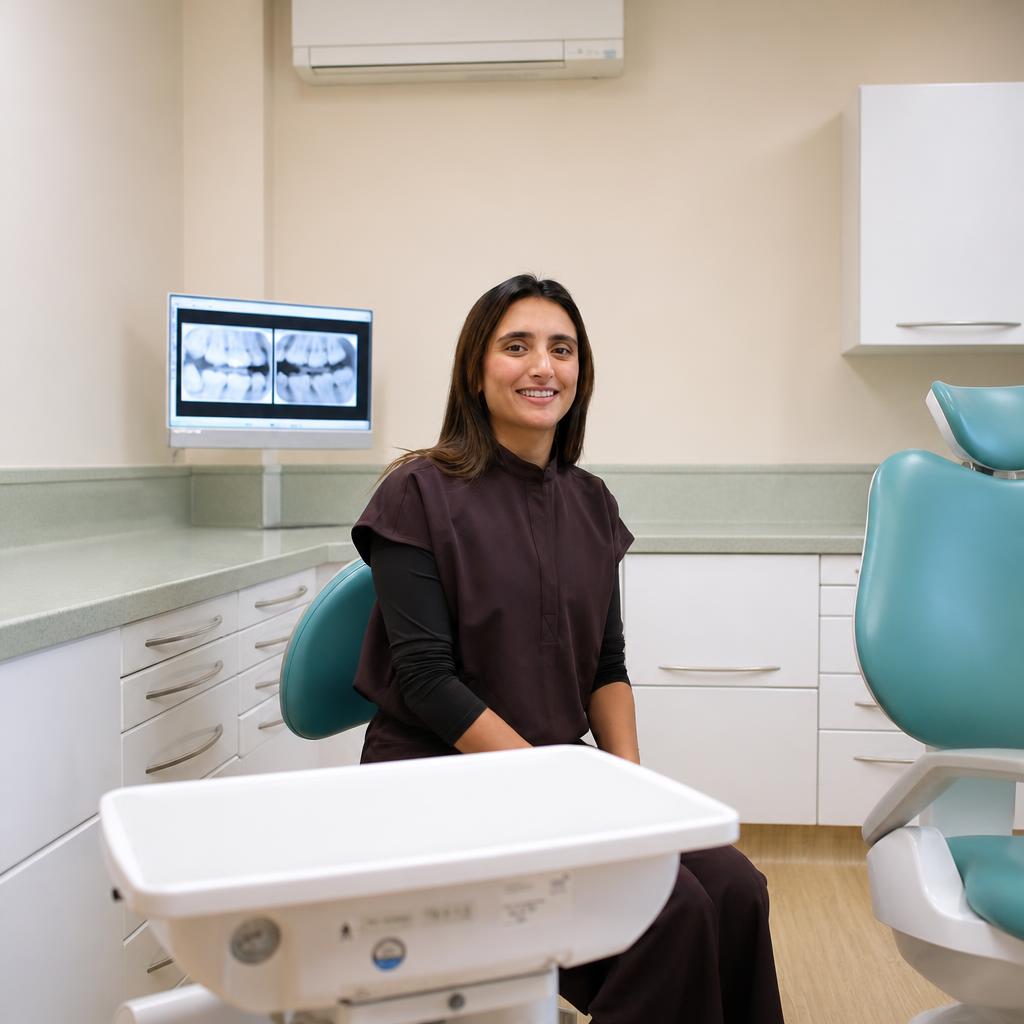
    Dentist in a treatment room at Your Smile Dental Practice

    A little more clarity

    Your questions, answered.

    Clinically reviewed

    No. We also see people who are not registered with us for emergency appointments.

    We do our best to see emergencies on the same day, but availability cannot be guaranteed.

    If we’re closed and you’re in pain, NHS 111 can assess your symptoms and advise on urgent dental care.

    Call 999 immediately for difficulty breathing or swallowing, loss of consciousness or severe uncontrolled bleeding. Go to A&E urgently for swelling affecting your vision or a significant head or jaw injury; if you cannot travel safely, seek emergency help. Do not wait for a dental appointment in these situations.

    Hold an adult tooth by its crown, the white part, not the root. If dirty, rinse gently in milk without scrubbing. If it goes back easily, gently place it in the socket; otherwise keep it in milk. Seek urgent dental care immediately, ideally within an hour. Never put a baby tooth back in.

    Over-the-counter pain relief such as paracetamol or ibuprofen may help if it is safe for you. Follow the packet instructions and ask a pharmacist if you are unsure. Avoid very hot, cold or sweet foods. Never put aspirin directly on your gum, as it can cause a burn.

    Keep any broken pieces and rinse your mouth gently with warm water. Dental wax can temporarily cover a sharp edge to protect your tongue or cheek. Arrange a dental assessment, especially if the tooth is painful.

    Antibiotics may be prescribed if an infection is spreading or you are unwell, but they do not treat the underlying cause. Dental treatment, such as draining an abscess, root canal treatment or extraction, may still be needed. Your dentist will assess the problem and explain the appropriate care.

    Seek urgent dental advice, even for a baby tooth, as an injury can affect the adult tooth developing beneath it. Never put a knocked-out baby tooth back in. If it is an adult tooth, handle it by the crown, keep it in milk and seek care as soon as possible.

    Facial swelling needs urgent assessment, especially if it is spreading or affecting your eye or vision. Difficulty breathing or swallowing requires emergency medical help.