Hygienist Care.

    Gentle, practical gum care and advice tailored to your mouth, your routine and what feels manageable.
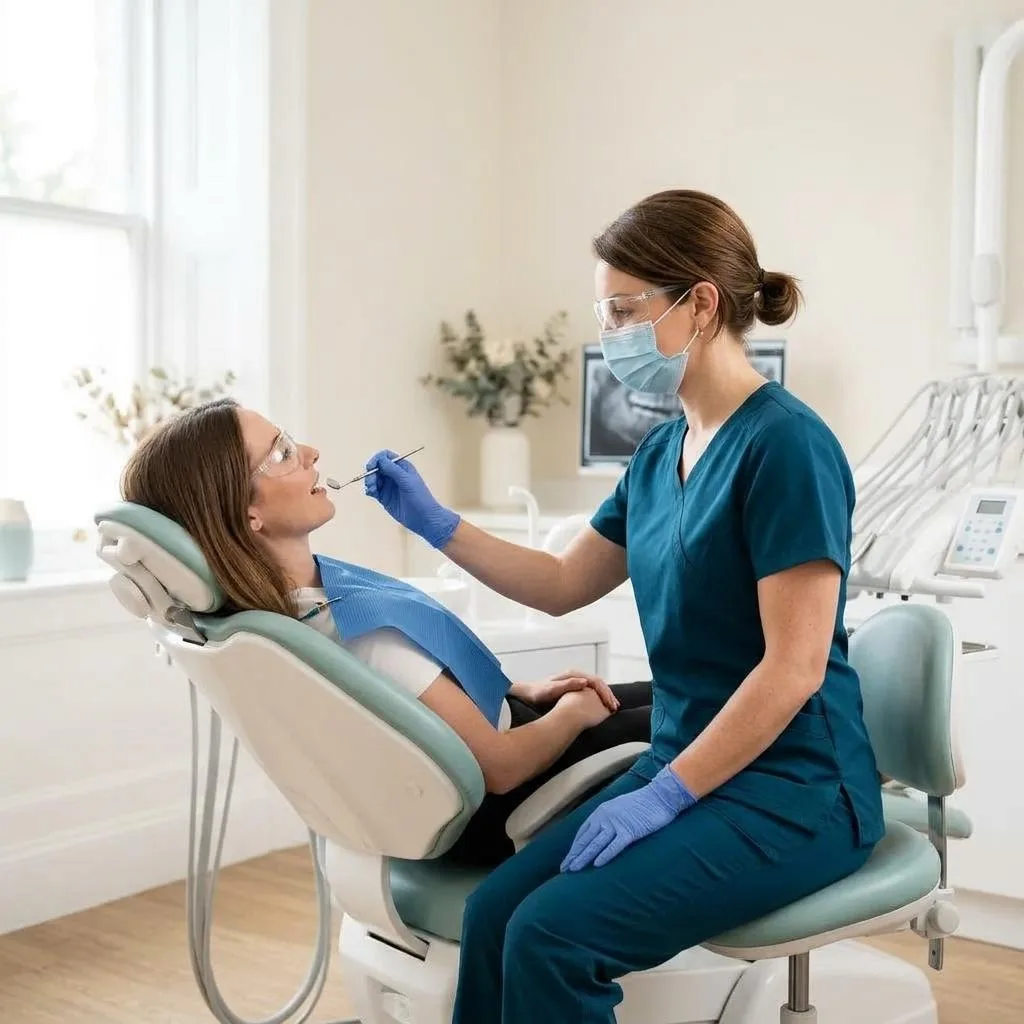
    Illustrative image of a hygienist caring for a patient

    A hygienist visit can include professional scaling and polishing, gum care, and practical advice tailored to your routine. We’ll listen to what you find difficult, then discuss brushing, cleaning between teeth and dietary habits in a way that feels manageable. Your care is guided by your mouth and needs—not a one-size-fits-all checklist.

    A good place to start

    Advice and cleaning tailored to you

    1. 01

      Talk about your routine

      We ask about your oral care and check your gums to understand where support may help.

    2. 02

      Clean and guide

      Your visit may include scaling and polishing, alongside personalised brushing and interdental advice.

    3. 03

      Agree next steps

      If gum disease needs deeper cleaning, we’ll explain the approach. Advanced or persistent concerns may need a specialist referral.

    A little more clarity

    Your questions, answered.

    Clinically reviewed

    Professional cleaning removes plaque and hardened deposits that are difficult to remove at home. Just as importantly, we give practical advice on brushing, cleaning between teeth and habits that affect oral health.

    Yes. Bleeding can be a sign of gum inflammation, and cleaning and tailored home-care advice may help. More advanced gum disease can need further treatment or a referral, depending on the assessment.

    This depends on your gum health and how quickly deposits build up. We’ll recommend a review interval suited to you rather than the same schedule for everyone.

    No. The appointments have different roles. A check-up reviews your teeth, gums and mouth for problems, while a hygiene appointment focuses on cleaning and supporting your daily care.

    Absolutely. We can show you how to reach difficult areas and choose suitable between-teeth cleaning tools. We can also discuss diet and other habits that contribute to decay or erosion.

    Most people find it comfortable. Inflamed gums or sensitive teeth can feel tender. Let your hygienist know, so they can adjust the clean and discuss ways to keep you comfortable.

    A scale and polish removes tartar with instruments and then polishes the teeth. Airflow uses a fine jet of air, water and powder to lift stains and plaque gently. We offer Airflow cleans at Your Smile; your hygienist will advise which approach suits you.

    It removes surface stains from tea, coffee, wine and smoking, so teeth often look brighter. It won't change the natural colour of your teeth the way whitening does.

    Once plaque hardens into tartar, it can't be removed with a toothbrush. Brushing too hard can also wear tooth surfaces and damage your gums. Professional cleaning and a gentle home-care routine work together.

    Some people notice mild sensitivity for a day or two, especially after removing heavy tartar. A sensitive toothpaste can help. Let us know if discomfort persists or becomes worse.

    Yes, hygiene care is generally safe during pregnancy and is often recommended. Hormonal changes can make gums more prone to inflammation and bleeding. Let your hygienist know you're pregnant so they can tailor your care.

    Usually, yes. If fluoride varnish has been applied, your hygienist will tell you how long to wait and whether to avoid particular foods or drinks. Follow their advice for the product used.

    Yes. Implants can develop inflammation around the surrounding gums and supporting bone, known as peri-implantitis. Regular professional cleaning and good home care help protect them. If implant-specific treatment is needed, we can discuss referral options.

    Independent patient information

    Advice from the Oral Health Foundation

    The Oral Health Foundation is an oral health charity. These guides can help you understand your options and prepare questions for your dental team. General information complements, rather than replaces, advice tailored to your mouth.

    Links open on the Oral Health Foundation website.

    Start with a conversation.

    We’ll listen, explain what may be suitable for you and give you room to decide.

    Book Now