Invisalign

    Discreet, removable aligners designed to fit around work, family and social life.
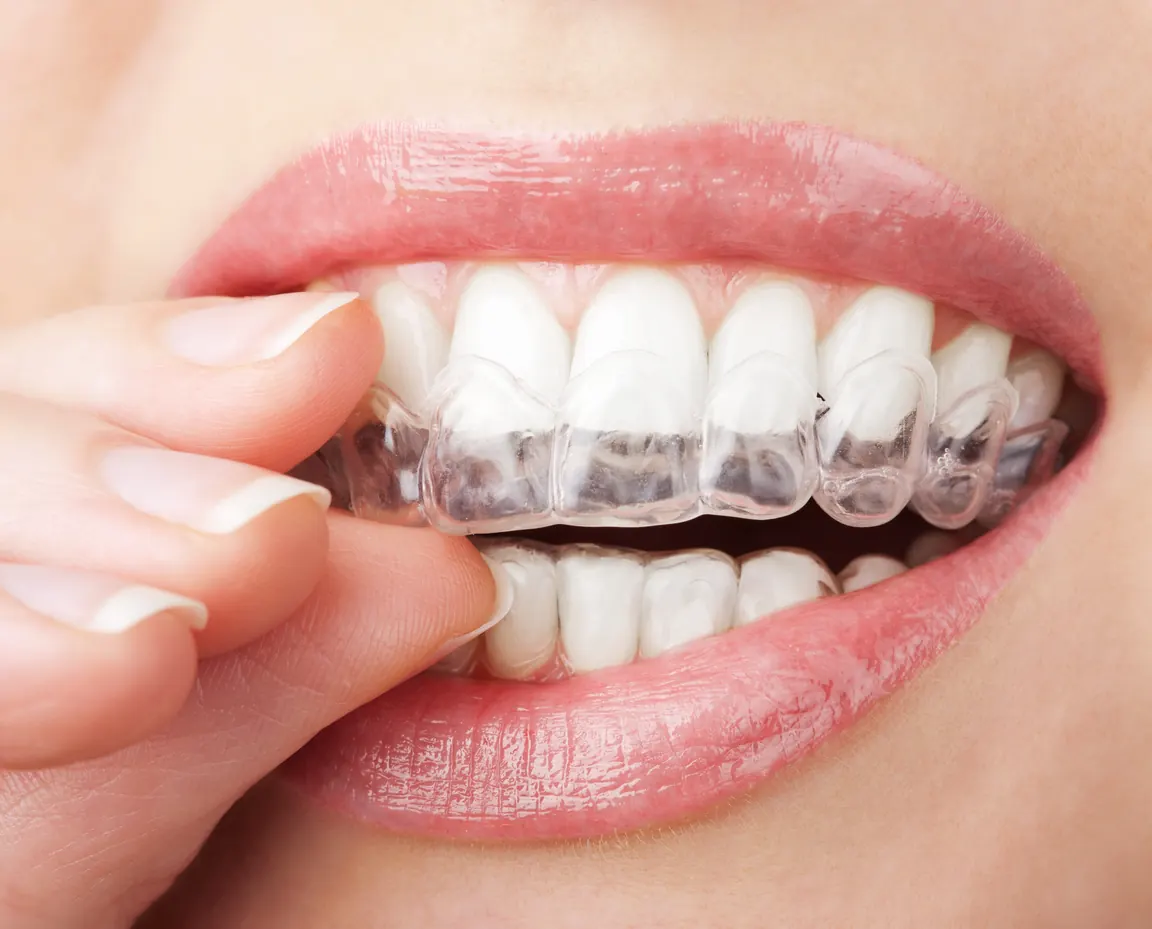
    A patient wearing clear Invisalign aligners

    A visual guide

    See the difference alignment can make

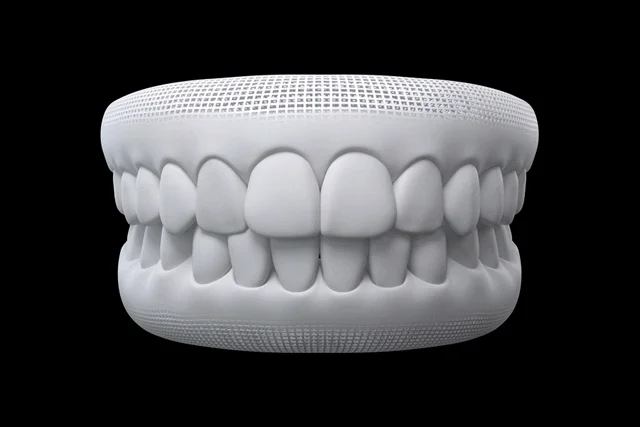
    Move the slider to explore an illustrative tooth-alignment simulation.
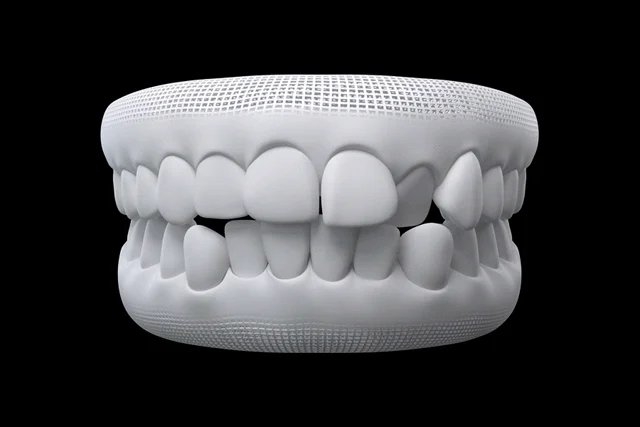
    Drag right to reveal alignment, or use the arrow keys

    This is a computer-generated dental-model simulation, not a photograph or actual patient outcome. Individual results vary.

    Straighten your teeth discreetly with clear, removable aligners designed to fit around work, family and social life—without fixed brackets and wires.

    Nearly invisible during daily use
    Fully removable for eating & brushing
    Advanced 3D digital smile planning
    Clear fee information before treatment

    Why Invisalign?

    Virtually Invisible

    Designed to be discreet in everyday life—at work, socially and in photos.

    Lifestyle Friendly

    Remove them for meals, brushing and special occasions. No food restrictions.

    Predictable Results

    Digital smile planning helps you see your path before you even start.

    Suitability

    Invisalign can help with many common concerns:

    Crowding
    Gaps
    Overbite
    Crossbite

    The Treatment Journey

    A simple, supported process with clear milestones from your local Hoddesdon practice.

    01

    Consultation

    We discuss what you would like to change, assess whether Invisalign may suit your teeth and bite, and answer your questions.

    02

    Digital scan & 3D plan

    Your dentist gently moves a small handheld iTero® wand around your mouth. It creates a detailed 3D model on screen as they scan. A full scan usually takes a few minutes and needs no impression putty or trays.

    Your scan is sent securely to Invisalign to form the basis of your personalised ClinCheck® plan. Your dentist reviews and refines the planned tooth movements before aligners are made. Where suitable, you may also see a simulation during your visit—a preview, not a guaranteed result.

    03

    Wear aligners & check-ups

    Wear your aligners as directed and attend regular check-ups. Your dentist reviews your progress against the plan; further scans can help track movement and guide any adjustments.

    04

    Retainers

    After active treatment, retainers help maintain your new smile. Your dentist will explain how and when to wear them.

    Treatment fees

    We explain the recommended treatment and its cost before you decide. See our Fees page for current Invisalign options.

    View fees

    What's Included:

    • Comprehensive Consultation
    • 3D Digital Smile Records
    • All Check-up Appointments
    • Final Retainers & Aftercare
    Book Now

    A little more clarity

    Your questions, answered.

    Clinically reviewed

    Consultation and suitability

    A series of clear, removable aligners gradually moves your teeth. Your dentist plans the changes and reviews your progress as you move through the prescribed aligners.

    It can help with many cases of crowding, gaps and bite concerns. We need to assess your teeth, gums and bite before explaining whether it is appropriate and what other options may suit you.

    There's no upper age limit. As long as your teeth and gums are healthy, aligners can work at any age.

    Scanning and planning

    Your dentist guides a small handheld iTero® wand around your mouth. It captures thousands of images per second and joins them into a detailed 3D model of your teeth and gums as you scan—without trays of impression putty.

    A full scan usually takes a few minutes. Your 3D model appears on screen in real time, and if an area needs a closer look, it can be scanned again during the appointment.

    Where suitable, your dentist may show a simulation of potential tooth movement, sometimes during the same visit. It is a planning preview, not a guarantee of your final result.

    Your scan is sent securely to Invisalign as the basis for your personalised ClinCheck® plan, which maps tooth movement step by step. Your dentist reviews and refines it before aligners are made. Follow-up scans can be compared with the plan and help guide any adjustments.

    Wearing aligners and the alignment phase

    Timing depends on the changes needed and how consistently you wear your aligners. Your dentist will explain an estimated timescale after assessing you, rather than promising the same duration for everyone. You may start seeing results in as little as six months, depending on your individual treatment plan.

    Typically every 6–10 weeks so your dentist can check progress. Some practices also offer remote monitoring between visits.

    Aim for 20–22 hours a day. Take them out only to eat, drink anything other than cold water, and clean your teeth. Wearing them less slows progress and can mean your teeth don't match the next set.

    Yes. Remove them for eating and for drinks other than cold water, then clean your teeth before putting them back. Follow your dentist’s daily wear instructions; consistent wear matters for progress.

    It's best to remove them. Hot drinks can warp the plastic, and coloured or sugary drinks can stain the aligners and trap sugar against your teeth.

    You'll usually feel pressure or tightness for a day or two after switching to a new set. This is a sign the aligners are working, and it eases quickly. Over-the-counter pain relief can help if needed.

    Some people have a slight lisp for the first few days. Your tongue adapts quickly, usually within a week.

    Most people won't notice. The aligners are clear and thin, though small tooth-coloured attachments may be visible up close.

    Attachments are small tooth-coloured bumps bonded to some teeth to help the aligners grip and move them precisely. Not everyone needs them, and they're polished off at the end of treatment.

    Contact the practice. You may be asked to go back to your previous set or move on to the next one while a replacement is made. Don't stop wearing aligners altogether, as teeth can shift back quickly.

    Aftercare and results

    Yes. Retainers help maintain the new position of your teeth. We’ll explain your retainer options and wear routine, along with ongoing care and reviews.

    Teeth naturally tend to drift, so you'll need retainers to hold your new smile in place. Most dentists recommend wearing them nightly, long term.

    Often, yes. Some patients whiten towards the end of treatment, and your aligners can sometimes double as whitening trays. Ask your dentist whether it suits your case.

    Invisalign is a registered trademark of Align Technology, Inc.